Planning the content, not just shooting it.
A shoot is only as good as the plan around it. Content strategy decides what a campaign says. It sets the formats that carry the message and the dates each asset publishes, so one shoot becomes a month of content. To show the process, I created Moss & Milk, a fictional skincare brand, and built its strategy from scratch.


01
Research
Audience, competitors, and the brand's own channels.
02
Content pillars
The recurring themes and formats a channel runs on.
03
Shoot planning
Shot lists and schedules covering campaign and social in one session.
04
Calendar & publishing
Edits, captions, and posting dates across the campaign window.
05
Reporting
Monthly numbers checked against the pillars set at the start, feeding the next shot list.
Before anything gets shot
Research sets the brief. Audiences get a face, not a demographic.
Market & category
Where the brand sits in its price bracket, and which of the category's visual conventions are worth breaking.
Competitive scan
Five to eight comparable accounts read side by side: posting rhythm, formats, and the hooks that keep working.
Channel audit
The brand's own last ninety days: top and bottom performers, and which pillars are missing entirely.

The core buyer
Already owns the brand and reorders without being prompted.
Stops for new launches, restocks and the product in real use. Carousels and stories with a direct link do the work here.
Moss & Milk core buyer, mid-30s.
The discoverer
Arrives from reels with no idea of the name. A strong first frame is what stops the scroll.
The industry eye
Press, retailers and collaborators. They watch the campaign imagery and whether it holds up over time.
A written rulebook the whole team can shoot to
Guidelines keep a feed coherent when several people are producing for it. Each project ends with a short document covering voice, framing, color, and the things the brand never does.
Tone of voice
How captions read: sentence length, use of humor, whether the brand says "we" or disappears behind the product.
Warm & approachable
We speak like a friend, supportive, real and easy to relate to.
Positive & encouraging
Progress, not perfection. Small wins get celebrated.
Clear & simple
No jargon, no overcomplicating. Honest, helpful information.
Natural & authentic
Human language, light humor, a down-to-earth tone.
Visual direction
Light, framing, crop and grade. Which surfaces and locations recur, and the treatment applied to every export.

Lighting
Natural light, soft shadows.
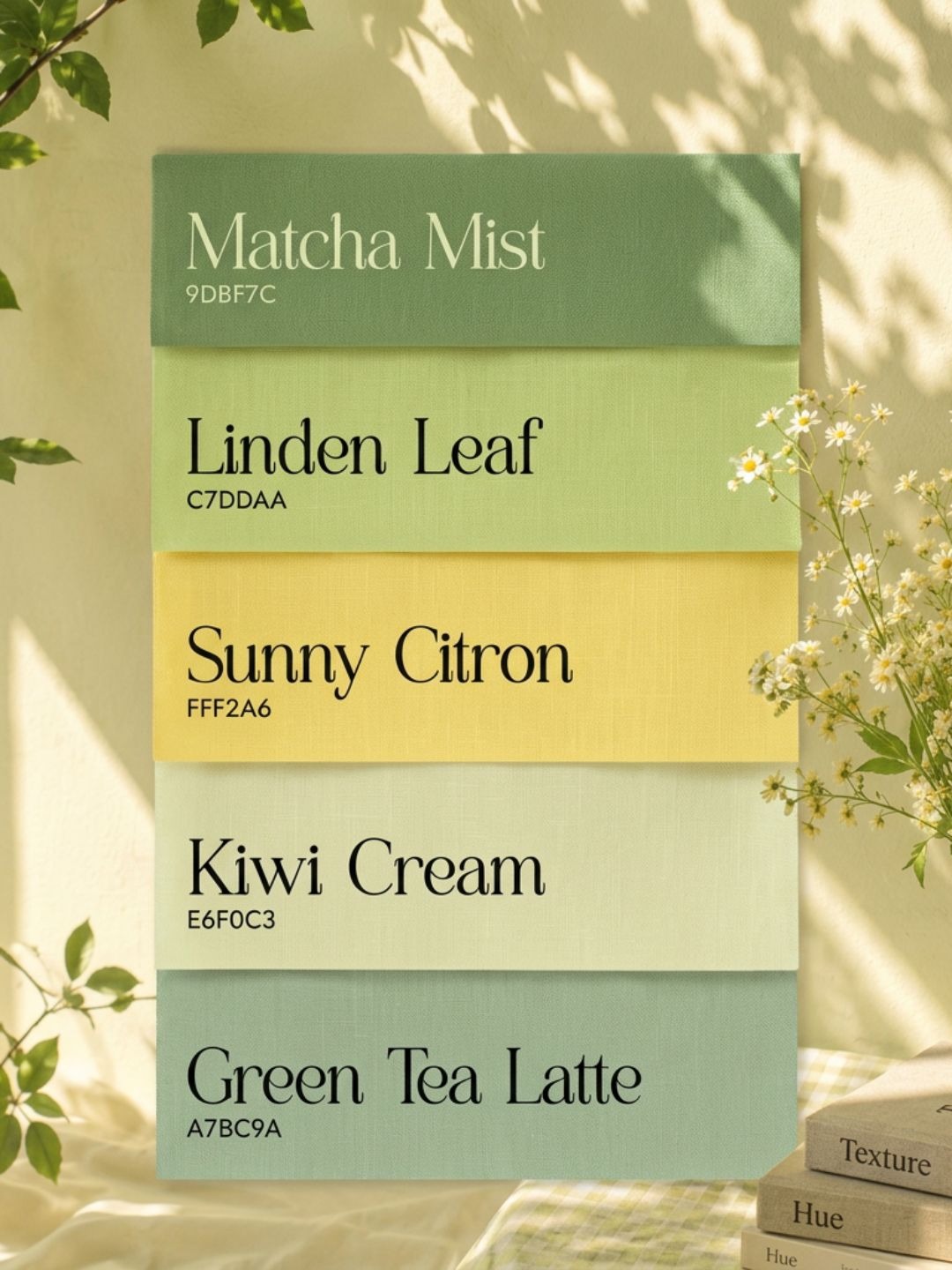
Palette
Greens, yellows, creams.

Mood
Clean, calm, confident.

Style
Real moments, minimal.
Grid rules
How posts sit next to each other, alternating product, portrait and detail so the profile reads as one piece.
1. Layout
A clean 1:1 or 4:5 grid, with consistent margins across layouts.
2. Balance
Imagery, text and brand elements mixed; compositions stay uncluttered.
3. Hierarchy
Lead with the visual, then headline, product and supporting text.
4. Flexibility
Stories, feed posts and carousels keep the same rhythm and spacing.
Asset specs
Specs cover ratios, safe areas, file naming, and how it's delivered. The same shoot ends up serving ecommerce, paid, and organic without extra exports.
Image ratio
High resolution, 1080 × 1080 or 1080 × 1350.
Video ratio
Clean, bright and under fifteen seconds where possible.
File format
High quality, compressed for fast loading.
Clear space
Space kept around the logo and key elements; edges never crowded.
Every campaign closes with a report
Monthly reporting tracks reach, engagement and saves against the pillars set at the start, then feeds the next shot list. The report alongside covers the spring launch for Moss & Milk.